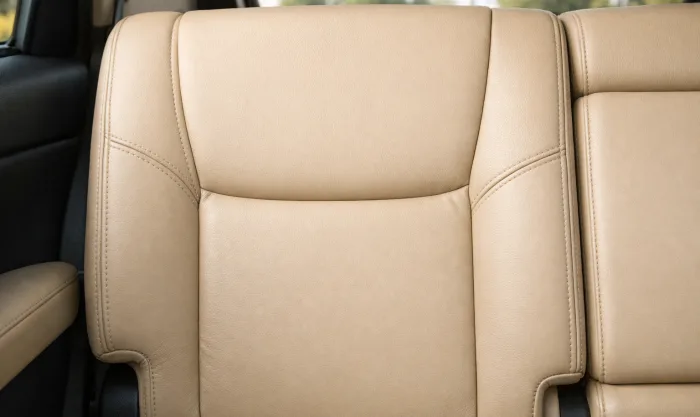
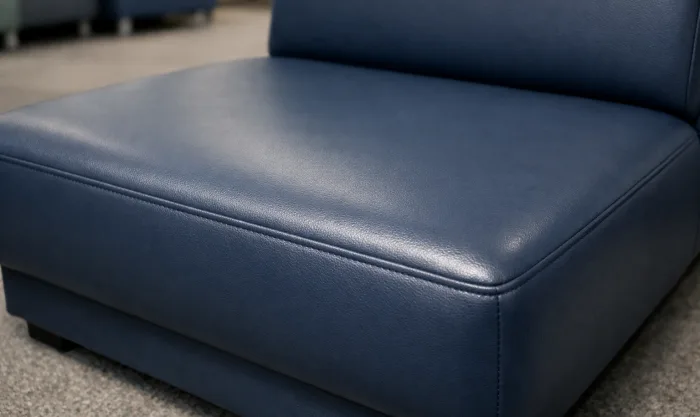
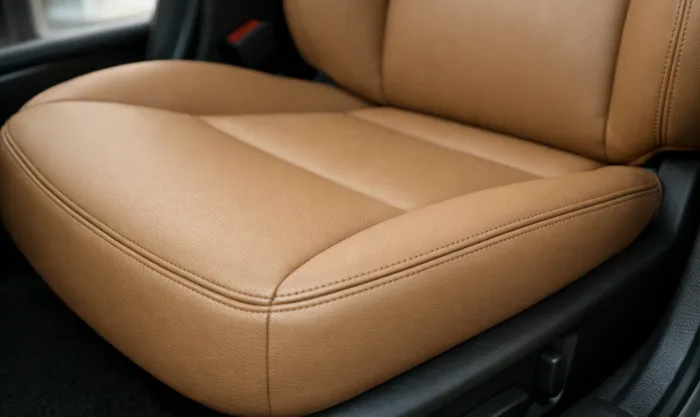
If your leather sofa or armchair in Los Angeles looks flat, chalky, or darker in the spots where people sit, that does not automatically mean the leather is worn out. A lot of the time it is a mix of body oil, sunscreen, dust, and surface oxidation sitting on top of the finish. I see this every week on living room pieces that still have good leather underneath, including sofa and armchair cleaning jobs that started with one simple question: do we clean it first, or are we already at recoloring?
The mistake most homeowners make is going straight after the dull area with an all-purpose spray, a magic eraser, or a strong degreaser. That can strip the finish, leave tide marks, or make the leather feel sticky. If the piece is leather or vinyl, the safer first move is usually controlled cleaning with the right chemistry, not brute force. The real job is to remove what is sitting on top without opening up the surface more than it already is.
How do you tell buildup from real damage?
Start with the easiest test: look at the wear pattern, not just the color. If the dullness is concentrated on headrests, arm tops, seat cushions, and the front edge where hands land, you are probably looking at transferred oils and dirt. If the piece also feels slick, greasy, or tacky when you touch it, that is another clue. Sunlight through a window can add fading on top, but fading alone usually looks more even than grime.
Real damage is different. Cracking, peeling, exposed backing, or areas where the finish has already flaked away will not come back with cleaning. Same thing if the surface is rough and fibrous instead of just dirty-looking. On vinyl, you may see cloudy buildup, but once the color coat is broken, cleaning only improves it so far. On leather, oxidation can make the finish look tired, but a proper test spot will show whether there is still enough coating to clean safely.
If you are unsure, do not keep scrubbing the worst-looking area. A photo estimate from a technician who handles full upholstery cleaning for leather and vinyl furniture can usually tell you whether the surface is a cleaning job, a conditioning job, or something that needs tint later.
What should a proper cleaning actually do?
A real cleaning is not a wet soak. The technician should identify the material first, then use a pH-balanced cleaner matched to leather or vinyl. That matters because different finishes react differently to heat, pressure, and chemicals. On a sofa, I work in sections and in multiple light passes so the soil lifts gradually instead of smearing around. The goal is to remove body oils, dust, cooking residue, and surface oxidation without flooding the piece or forcing moisture into seams.
After the cleaning pass, the surface should look more even, not shiny in random patches. If the leather is dried out but still structurally sound, conditioning can help the hand feel and reduce that brittle, tired look. Conditioning is support work, though, not a fix for worn-through finish. If the color is missing, a conditioner will not put it back. What it can do is make a healthy piece look less flat while you decide whether anything deeper is needed.
For a sofa or chair that has a lot of buildup but no obvious cracking, cleaning is often the cheapest real win. It is also the right first step before any stain removal on leather furniture or before you consider recolor work. You want the surface clean before anyone talks about matching color.
When should you stop cleaning and plan for more?
Stop when the surface has been cleaned as far as it can go without abrasion. If the dull area remains, but the leather now feels clean and even, that may be the finish itself aging rather than dirt. At that point, you are deciding between living with the patina, conditioning it, or moving to a more involved restoration plan. If you keep trying to scrub a worn finish, you can create more damage than you started with.
Here is the practical decision rule I give homeowners:
- If the piece is just dark with oils and dust, clean it.
- If the finish is intact but tired, clean and condition it.
- If the finish is cracked, peeling, or missing, cleaning alone will not solve it.
- If you want the color back after cleaning exposes wear, ask about recoloring next.
In Los Angeles, sunlight and dry indoor air speed up the tired look, especially on sofas near windows and armchairs people use every day. The best way to avoid repeating the problem is simple: vacuum the seams occasionally, keep food oils and sunscreen off the arms when you can, and wipe spills with a damp microfiber cloth instead of household chemicals. If a piece is already dull, the next step is not guessing. Send photos and ask for a cleaning-first assessment. DavaLeather can tell you quickly whether the sofa or chair just needs controlled cleaning or whether it is time to plan the next stage.
Before & After