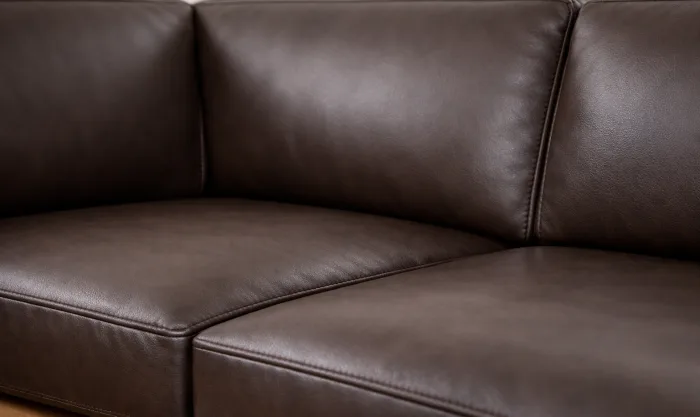
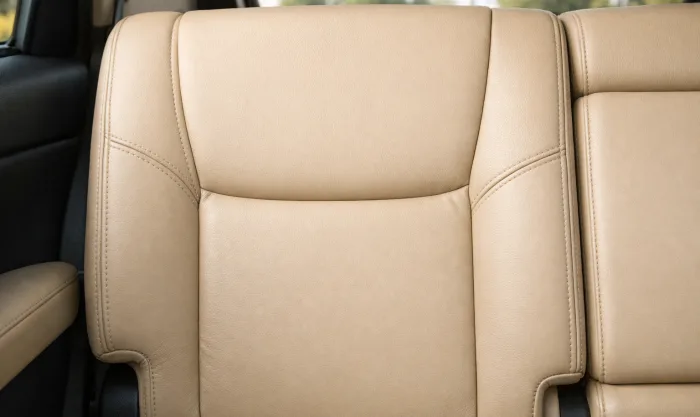
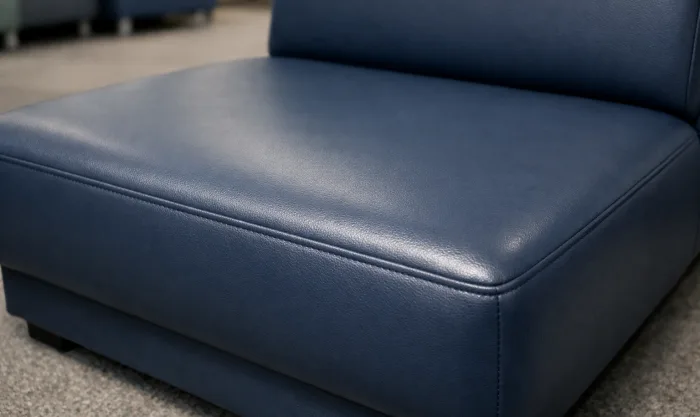
If you’re staring at a sofa or sectional with two, three, or more burn marks, the real question is not “can it be touched up?” It’s whether a multiple burn repair will blend cleanly enough to justify staying with the piece. In Los Angeles homes, I see this a lot on living room sectionals, apartment sofas, and dining chairs near candles or heaters. One burn is a simple problem. Several burns on the same piece change the math.
The good news: multiple burns do not automatically mean replacement. The bad news: if each mark is a different size, depth, or location, a quick cosmetic pass can look worse than doing nothing. The right move is to evaluate every spot together, not one at a time. That is how you avoid a patchy result that draws more attention than the damage did.
When do multiple burn marks still make sense to repair?
Repair is usually worth it when the burns are small, isolated, and not on a heavily stressed seam or edge. A shallow cigarette burn on a cushion face is very different from a deep melt spot on a piping line. If the surrounding leather or vinyl is still sound, a technician can rebuild the damaged surface, color-match the area, and blend the finish so the eye reads the whole cushion instead of the scar.
What matters most is location. Burns in the middle of a seat panel are usually easier to hide than burns on a bolster, arm, or front edge where light hits hard and hands rub every day. If the piece is otherwise in good shape, a set of burns can often be repaired together in one appointment. That is especially true when you send clear photos of each spot before booking. It lets us judge depth, size, material type, and whether the damage is leather or vinyl before we come out. For a service like burn repair for leather furniture, that pre-check is what keeps the estimate realistic.
When the burns are spread across the piece, the question becomes whether the repaired areas will still look balanced from normal viewing distance. A good repair does not need to be invisible up close in every light; it needs to look natural from the way you actually use the furniture.
What should a fair repair plan include, and when is replacement smarter?
A fair repair plan should separate the marks by severity. Not every burn gets the same treatment. One spot may only need edge cleanup and color work. Another may need surface rebuilding before it can take finish. If someone tells you every burn gets the same process, that is a red flag. Leather and vinyl behave differently, and even two burns on the same sofa can need different steps.
Here is the practical test I give homeowners:
- If the burns are small, limited to the top layer, and the rest of the piece is solid, repair is usually the smarter spend.
- If the damage sits on multiple seams, piping, or stretched areas, repair may hold visually but not age well.
- If the sofa already has heavy wear, cracked finish, or collapsed padding, you may be paying to save only part of the story.
Replacement starts to make more sense when the repair area would spread into too much of the visible surface or when the burns are so deep that the material is structurally compromised. On a newer piece, it is often worth repairing. On an older piece that also has fading, sagging, or peeling, I would rather tell you the truth than sell you a cosmetic fix that buys only a few months. If you are dealing with a vehicle interior instead, the same decision logic applies, though the service changes to car interior burn repair.
What actually happens during a proper multi-burn repair visit?
First, the damaged areas get mapped one by one. That means checking the burn depth, the edge condition, and whether the surface is leather, vinyl, or a coated material. Then the technician chooses the right repair sequence for the whole piece, not just the worst spot. That may include cleaning the area, removing loose char or melted residue, rebuilding missing surface material, leveling the texture, and matching color so the patched spots do not read as separate islands.
The reason this has to be planned carefully is simple: multiple burns often fail for different reasons. One may be dark and dry. Another may be glossy and melted. Another may have broken through the finish but not the base material. If you try to treat them all identically, the piece can end up with different sheen levels all across the cushion. That is why one clean visit is better than several rushed attempts.
On residential furniture, we usually try to keep the work on-site when possible so you do not have to move a sofa or sectional across town. That matters in LA apartments and tight homes where access is already annoying. A well-planned visit can handle several spots at once, which often saves time compared with scheduling separate repairs for separate burns. If you also want to understand how the result holds up over time, look at the before-and-after standards on our leather furniture burn repair work and ask how each mark will be blended before anything starts.
If your couch, chair, or sectional has multiple burns, your next step is simple: photograph each mark in daylight, include one wide shot of the whole piece, and ask whether the spots can be treated together in one visit. That answer will tell you quickly whether you’re looking at a practical repair, a partial blend, or a replacement conversation.
Before & After