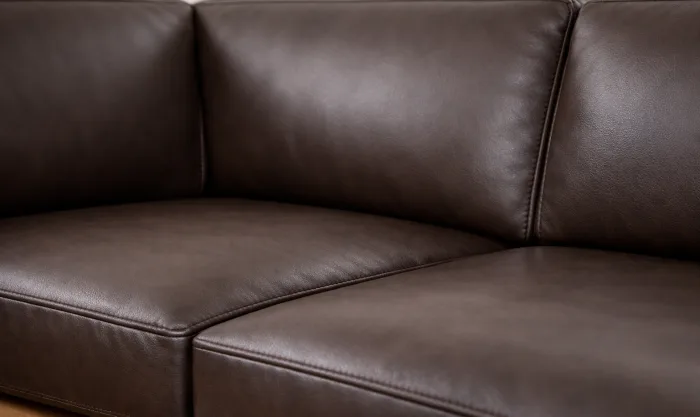
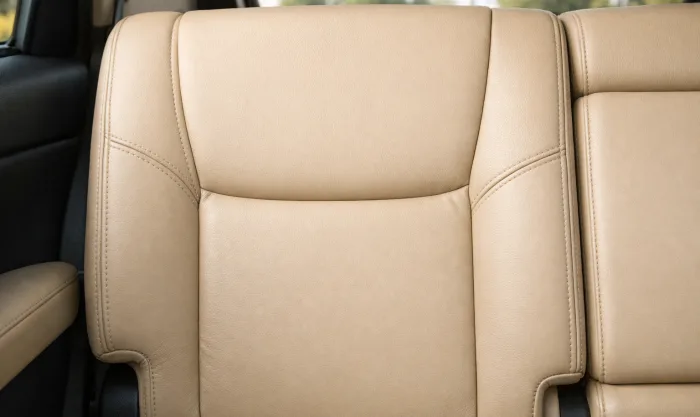
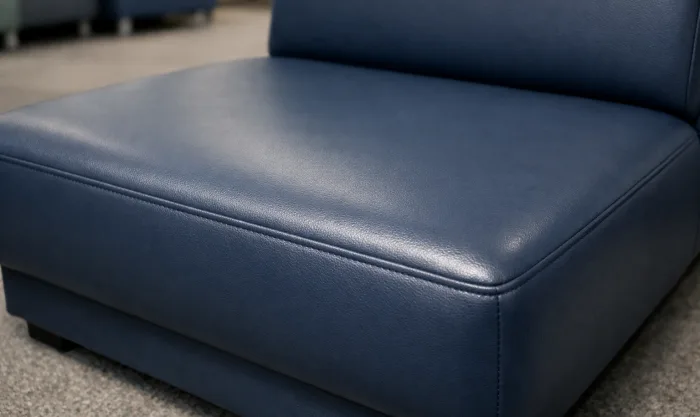
If you are staring at a wine ring on a leather sofa, a ketchup spot on a vinyl booth, or a mystery mark on a car seat, the real question is not “can somebody clean this?” It is whether the stain can be removed without leaving a bigger dull patch, a halo, or a sticky area behind. Organic stain removal on leather and vinyl is chemistry first, not elbow grease. The wrong cleaner can set the mark deeper, spread it, or strip the finish around it. That is why a quick photo estimate often matters before anybody starts scrubbing.
How can you tell if the stain is still a cleaning job, not a refinishing job?
Start with the edges. If the stain is sitting on top of the surface and the finish still feels smooth, there is a decent chance it can be treated with targeted extraction. Food spills, drink marks, sweat, body oils, and some biological stains often stay in the upper layer of a protected leather or vinyl finish. That is the good news.
The warning signs are different: a dark mark that has been rubbed in with household cleaner, a faded ring where somebody over-scrubbed, or a stain that changed the color of the material itself. If the surface is already rough, dry, or sticky, the job may have gone past simple cleaning. On leather, a stain that has been there for months can also leave a shadow even after the contaminant is lifted. On vinyl, the stain may clear faster, but strong cleaners can leave the sheen uneven.
If you are unsure, do not test random products from under the sink. A safer next step is to send clear photos and ask whether the stain looks like a candidate for local stain removal or if the finish is already compromised.
What does targeted extraction actually do on leather and vinyl?
Good cleaning starts by identifying the stain type. A wine spill behaves differently than grease, and both behave differently than a protein-based spot like blood or food residue. The technician looks at the surface, the age of the stain, and the material finish before choosing the chemistry. That matters because leather and vinyl do not all respond the same way.
For a finished leather sofa or car seat, the process usually means controlled application, short dwell time, and careful extraction so the contaminant is pulled out instead of pushed around. That avoids the classic problem where a stain lightens in the center but leaves a clean-looking circle around a darker edge. For vinyl, the cleaner has to be strong enough to lift the mark but gentle enough not to dull the topcoat.
On more stubborn organic spots, the technician may work in stages: break down the residue, lift it, neutralize what is left, and then check whether the surface needs a conditioning or finish-balancing step. That is a lot safer than soaking the area and hoping it dries well. In LA, that matters in hot cars and sun-exposed living rooms because heat can lock a stain in faster if the wrong liquid sits too long.
If you want to know what this looks like in practice, the same approach used for local stain removal applies to furniture and interiors alike: identify the stain, match the chemistry, and keep the material as dry as possible during the process.
What should you ask before you book, and how do you keep the stain from coming back?
Before you schedule service, ask three direct questions: What type of stain do you think this is? Will you test the surface first? What is the realistic outcome if the stain has already soaked in? Those questions separate a real technician from somebody who just promises “deep cleaning.” Ask for a photo estimate and mention whether the spot came from food, drink, sweat, pet mess, blood, grease, or an unknown spill. The more specific you are, the better the treatment plan.
After the stain is handled, prevention is mostly about speed and restraint. Blot spills right away with a dry, clean cloth. Do not scrub in circles. Do not use bleach, ammonia, or generic carpet spray on leather. On vinyl dining chairs, restaurant booths, and busy family sofas, wipe spills early and keep the surface conditioned only as needed, because over-conditioning can attract more grime. In parked cars, use a windshield shade and crack the windows when safe; LA sun makes residues bake into the finish faster than people expect.
If the spot is fresh, send photos now and ask for a targeted plan. If it has already been cleaned badly, say that too. That detail changes what can be saved. DavaLeather can usually tell from a few pictures whether you need extraction, a follow-up finish adjustment, or a different repair path altogether.
The practical move today is simple: stop testing random products, take well-lit photos, and get a real answer before the stain gets ground in any further.
Before & After