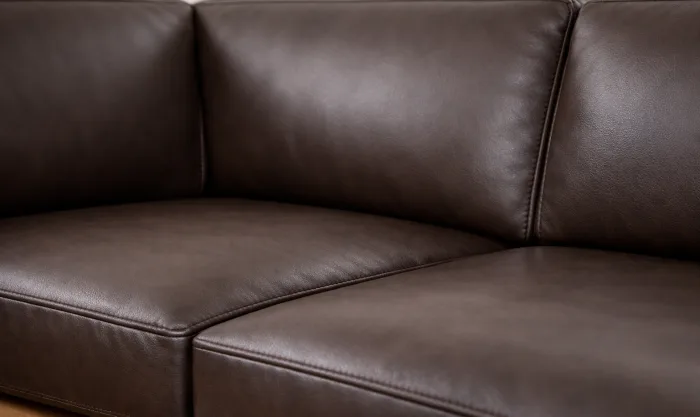
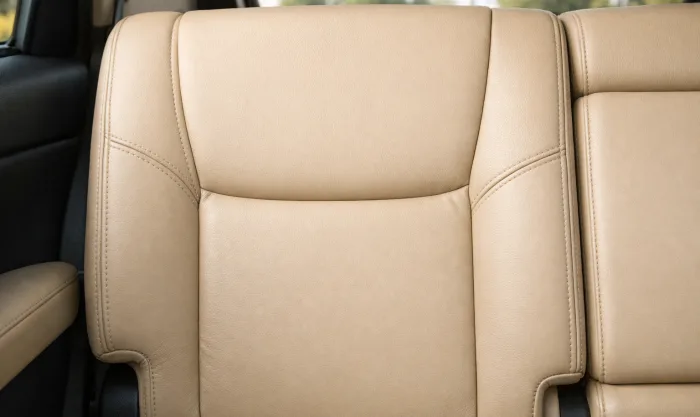
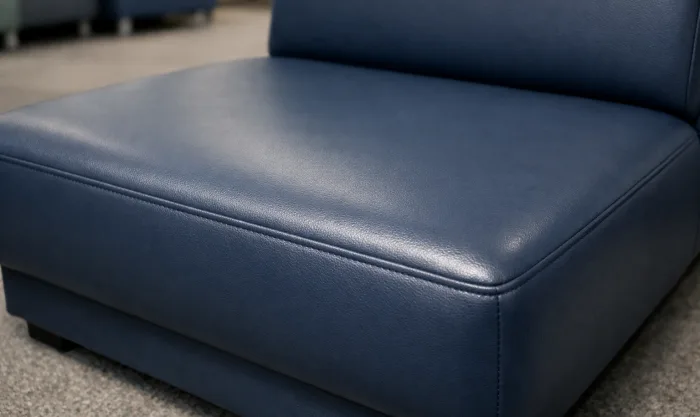
You just noticed a black pen line on the sofa arm, a Sharpie streak on a car seat, or marker transfer on a vinyl booth. The first question is not “can it disappear completely?” It is “what can I do right now so it does not spread, set, or strip the finish?” On leather and vinyl, ink and marker removal is a controlled cleaning job, not a scrubbing contest. If you attack it wrong, you can turn a small mark into a dull patch, a color loss spot, or a bigger stain than you started with.
In Los Angeles, I see this a lot in cars left in the sun, apartment furniture near kids’ homework zones, and restaurant seating that gets hit with pen ink from check presenters and staff clipboards. The material matters, but the finish matters just as much. A smooth coated leather seat, a textured vinyl bench, and a dyed aniline chair all respond differently. That is why a mark that looks hopeless in one photo can still be a good candidate for on-site stain removal if the right method is used.
Can you tell if the mark is worth trying to remove?
Yes, usually within a minute or two. Start by figuring out whether you are seeing surface pigment, transfer, or actual damage to the finish. If the mark sits on top and the grain still looks intact, there is a decent chance it can be lifted or reduced. If the area is sticky, cracked, or already rubbed raw, removal becomes more limited because the finish may already be gone.
Here is the quick test I use when someone sends photos:
- Sharp, dark lines with no texture change are often pen or marker on the coating.
- Smudged blue or black transfer on vinyl or coated leather often cleans better than people expect.
- A faded halo after wiping means the stain may be partially removed but the finish has also been disturbed.
- White, dry, or sticky spots mean aggressive cleaning may make the surface look worse, even if the mark lightens.
The big clue is whether the mark is still inside the finish or already into the material. If you can still see the original grain clearly, the odds are better. If you are unsure, send clear photos before you keep rubbing. A few extra wipes with the wrong product can make a simple job much harder.
What should a technician actually do to remove ink without ruining the surface?
A real repair starts with testing. Not every cleaner belongs on every finish. Leather and vinyl may look similar from a few feet away, but the topcoat, sheen, and dye behavior can be completely different. The technician should spot test in a hidden area, then work in stages: soften the stain, lift pigment gradually, stop before the coating starts to haze, and blend the cleaned area so it does not look like a bright circle in the middle of the seat.
That is especially important on interior jobs, where sun exposure already dries out the material. A hot cabin can bake a fresh marker mark into the surface, so speed matters. If the stain is on a seat back, armrest, console pad, or booth top, the technician may use controlled solvent extraction, pigment lifting, and a careful finish check. For visible car interiors, local removal of tough stains in your car is usually about preserving the factory look, not just making the mark lighter.
Do not expect every job to become invisible. Honest work means telling you whether the goal is complete removal, strong reduction, or a cleaner, less obvious spot. A fair outcome is one where the mark no longer pulls your eye across the room or cabin, and the surrounding finish still looks natural.
How do you keep the mark from coming back or turning into a bigger repair?
Once the pigment is gone, the real job is prevention. In homes, I see repeat marks from ballpoint pens in couch creases, remote trays, and dining chairs. In cars, I see them from pens left in cup holders, work bags, and kids’ backpacks. The material is already more vulnerable after cleaning, so a little prevention saves money later.
Use these practical habits:
- Keep pens capped and out of cushion gaps or seat pockets.
- Wipe spills and transfers early; the longer ink sits, the more it bonds.
- Keep vinyl and leather out of direct sun when you can, especially in parked cars.
- Use the right conditioner or protectant only after the stain is truly gone and the surface is dry.
- Avoid home solvents on a test patch unless you know the finish type and have already checked for color lift.
If you are looking at a fresh mark today, the smartest next step is to stop scrubbing, take a clear photo in daylight, and get a proper assessment. DavaLeather can usually tell from photos whether the stain is a good candidate for controlled cleaning or whether it has already damaged the finish. If you need a second look at a seat, sofa arm, or booth panel, start with stain removal evaluation before you make it worse.
Before & After