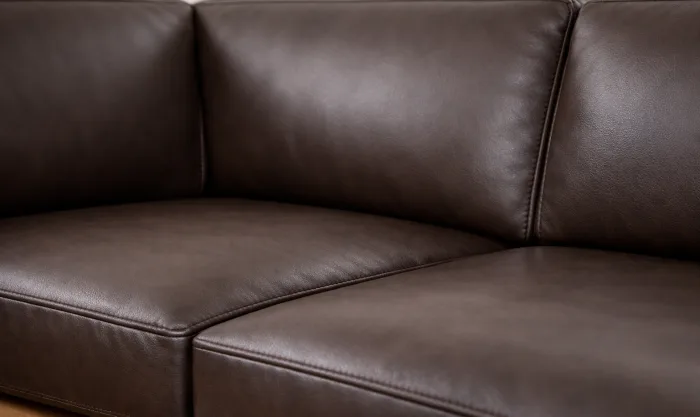
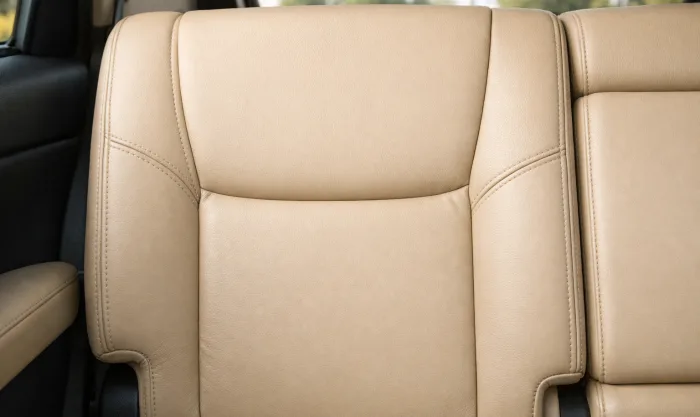
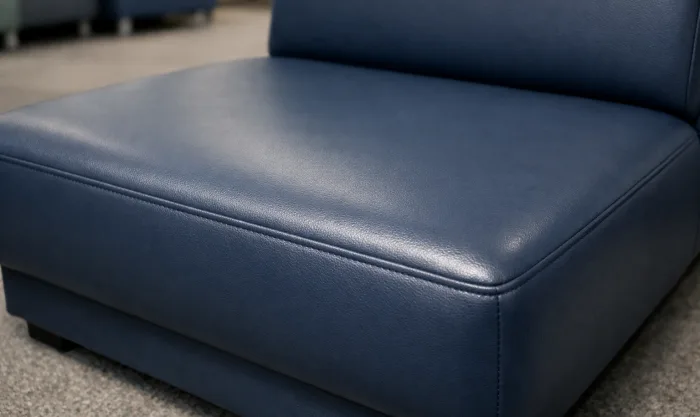
If your arena or stadium seats are starting to look dull, sticky, or shiny in patches, that is usually not just “normal wear.” It is often a mix of food residue, sunscreen, hand oils, spilled drinks, and dust sitting on leather or vinyl long enough to change how the surface feels. A proper surface cleaning and conditioning step can make those seats look presentable again before the grime gets baked in and the material starts drying out.
For venue managers, the real question is not whether the seats are dirty. It is whether you still have time to clean them safely, or whether the surface has already gone too far into wear, cracking, or dye loss. In Los Angeles, that question matters more because sun, dry air, and high turnover can move a seat from “looks rough” to “needs repair” faster than people expect. If you want the practical version, stadium seating maintenance is usually cheaper than waiting for the surface to fail.
Can the seat still be saved by cleaning, or is it already damaged?
Run your hand across the problem area and look closely at the finish. If the seat feels grimy, tacky, or uneven but the color is still there and the surface has not split, you are probably in cleaning territory. That includes leather and vinyl that look gray from buildup, have dark hand marks on armrests, or show a sticky film from repeated wiping with the wrong product.
Once you see cracking, peeling, exposed foam, or color rubbed completely off, cleaning alone will not solve it. At that point, the question shifts to repair. A technician can often still improve the look, but the surface needs more than soap and conditioner. If the damage is more than surface grime, a service like repair scratches, cracks, gouges, and nicks is the better conversation.
A quick rule I give facility people: if dirt is sitting on top of the finish, cleaning can help; if the finish itself is breaking down, cleaning only buys time.
What does the technician actually do on site?
Good commercial seat cleaning is not the same as hosing down upholstery or spraying something shiny over the top. On leather and vinyl, the job starts with a test spot and a product choice that will lift grime without stripping the finish. The technician works in sections, because stadium and arena seating usually has mixed contamination: food residue near cup holders, sunscreen where arms rest, and body oils on the touch points that get the most traffic.
The practical process usually looks like this:
- Vacuum or dry-remove loose debris from seams and corners.
- Use a controlled cleaner that breaks down oils and surface buildup without flooding the seat.
- Wipe and lift contamination instead of rubbing it deeper into the grain.
- Check for stubborn spots that need a second pass, not a harsher chemical.
- Apply a conditioner that helps leather stay flexible and keeps vinyl from looking chalky and dry.
That last step matters, but only if the seat is actually clean first. Conditioner on top of grime just seals in the problem. For venues that need a scheduled upkeep pass between events, stadium furniture care is a maintenance move, not a cosmetic trick. The goal is to reset the surface before the next crowd comes through.
How long will the clean-and-condition hold up in a real venue?
That depends on use, not on the bottle. A VIP lounge or premium suite with lighter traffic will hold its look longer than lower-bowl seating, club chairs near concessions, or any area where sunscreen, drink spills, and bag friction hit the same spots every week. In dry Southern California conditions, leather can also lose flexibility faster if it is never conditioned and the sun reaches the same surfaces regularly.
Cleaning and conditioning is most useful when it is part of a routine, not a once-a-year rescue. If seats are getting cleaned before grime layers up, the finish lasts longer and the venue spends less on emergency repairs later. If the same seats keep drying out, the next stage is usually surface cracking or peeling, and then you are no longer talking about a simple maintenance visit.
For that reason, I tell clients to think in terms of preventing the next problem. If the seats still have intact color and intact seams, regular care is worth it. If they are already splitting or flaking, the next job may be car seat repair and restoration equivalent thinking for commercial seating: address the surface failure before it spreads.
If you manage a venue in Los Angeles and the seats are looking tired but not yet broken, send a few clear photos and ask what can be cleaned versus what needs repair. That will usually tell you whether you are buying time, protecting the finish, or heading toward a bigger job. DavaLeather can usually tell you pretty quickly which category your seating falls into, and that saves you from overspending on the wrong fix.
Before & After