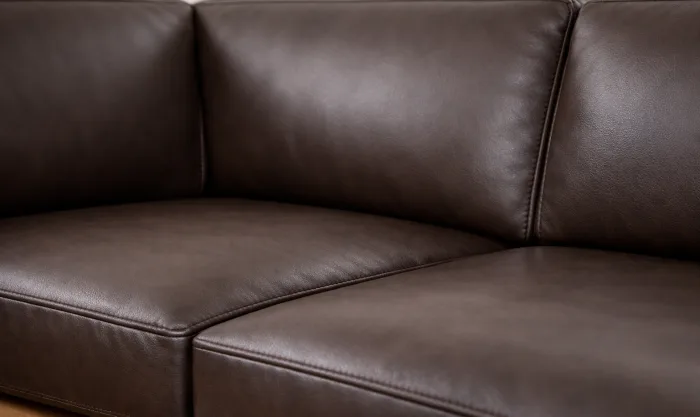
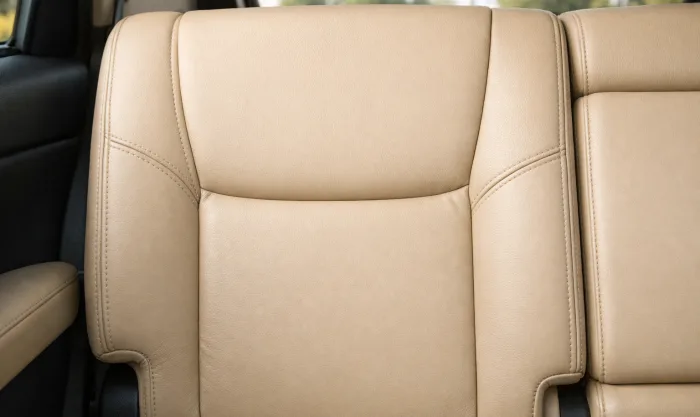
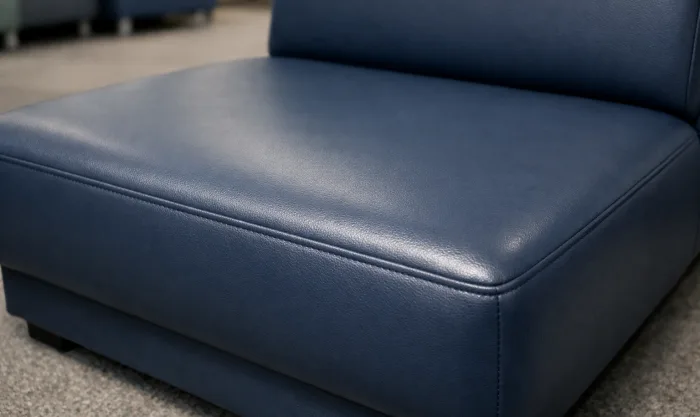
If your treatment chair, exam bench, or salon stool looks dull even after routine wipe-downs, you are probably dealing with product film, skin oils, and disinfectant residue—not just “dirty furniture.” In clinics and med spas, that buildup can make leather and vinyl look gray, sticky, or uneven long before the material is actually worn out. A proper deep cleaning and disinfection service is often the difference between furniture that looks tired and furniture that looks presentable again.
The key question is not whether the piece is dirty. It is whether the surface can still be restored without stripping color, drying the material out, or chasing a problem that has already become cracking or peeling. If you are deciding what to do today, the three questions below will help you figure out whether cleaning is enough, what a technician actually does, and how to keep the same buildup from coming right back.
Can deep cleaning still save the look of the surface?
Start by looking for buildup, not damage. If the furniture feels tacky, has dark lines where people sit or rest their arms, or shows dull patches that change when you wipe them with a damp towel, that usually means residue sitting on top of the material. That is a good candidate for professional cleaning. The original leather or vinyl finish is still there; it just needs the layers on top removed carefully.
What deep cleaning can usually improve:
- Product residue from lotions, oils, makeup, and hair products
- Disinfectant streaking and cloudy film
- Body oil at seams, bolsters, and high-touch edges
- Odor caused by trapped residue, not actual mold or tearing
What it cannot fix is actual surface failure. If the vinyl is peeling, the leather is cracking open, or the color is already rubbed off through the topcoat, cleaning will only make that more obvious. In those cases, a repair plan may be needed instead of just a reset. If you are not sure which camp your piece is in, a photo estimate through medical & salon furniture repair is usually the fastest way to tell.
What does the technician actually do on leather and vinyl?
A real cleaning on clinic furniture is slower than a quick spray-and-wipe because the goal is to remove buildup without flooding the seams or leaving a slippery residue behind. On-site service usually starts with testing the material and the previous products used on it. That matters in Los Angeles because a lot of medical and beauty furniture gets hit with strong cleaners all day, and the wrong chemistry can dry out vinyl or make leather look shiny in patches.
A typical process looks like this:
- Loose dust and grit are removed first so it does not get scrubbed into the finish.
- The cleaner is chosen for the exact surface, then worked in sections with controlled dwell time.
- Residue is lifted from seams, piping, armrests, and other touch points where grime hides.
- The surface is wiped clean and checked for dullness, streaking, or leftover tackiness.
- A conditioning step may be added when the material needs help staying flexible after cleaning.
The point is not to make the furniture look wet or overworked. It should look cared for, even and clean, with the original texture still visible. That is why a service like medical & salon furniture repair often includes more than one pass: the furniture has to be clean enough to impress clients, but gentle enough to stay usable every day.
How long will the reset last, and how do you keep it from coming back?
How long the result lasts depends less on the cleaning itself and more on what happens afterward. In a busy exam room or salon, fresh buildup can start again within days if people keep using harsh wipes, leave product spills on the surface, or skip a regular maintenance routine. In quieter offices or home treatment spaces, the same cleaning can hold up much longer.
If you want the results to last, ask for a maintenance plan that fits the material, not just the room. Good habits are simple:
- Wipe spills sooner rather than later, especially oils and color products.
- Use cleaners that are safe for leather or vinyl, not generic disinfectants that leave a film.
- Keep direct sunlight off the furniture when possible; LA cabin-style UV exposure and strong window light dry surfaces out faster.
- Do not let sticky residue sit in seams, because that is where grime becomes hard to remove.
If the piece already feels brittle, cracked, or rough after cleaning, the issue may be material fatigue rather than dirt. At that point, you may need repair guidance, not just another round of chemicals. If you want a cleaner that is matched to the actual condition of the furniture, ask for a photo estimate first and a clear expectation of what can be improved on-site. If the job is mainly buildup and odor, this service is usually a smart, cost-conscious reset.
When the surface still has good material under the grime, deep cleaning is worth doing before you think about replacement. When it does not, you will know sooner—and that saves money. For the right piece, a careful service from DavaLeather can make the room look maintained again without changing the original look of the furniture.
Before & After