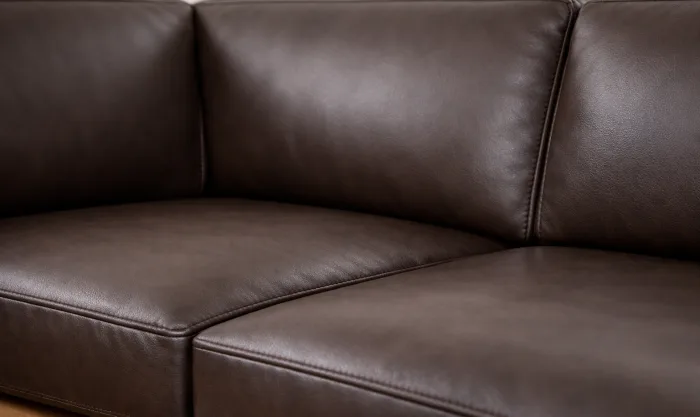
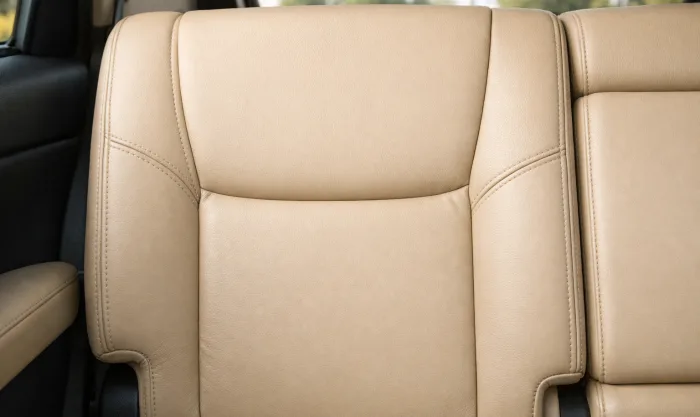
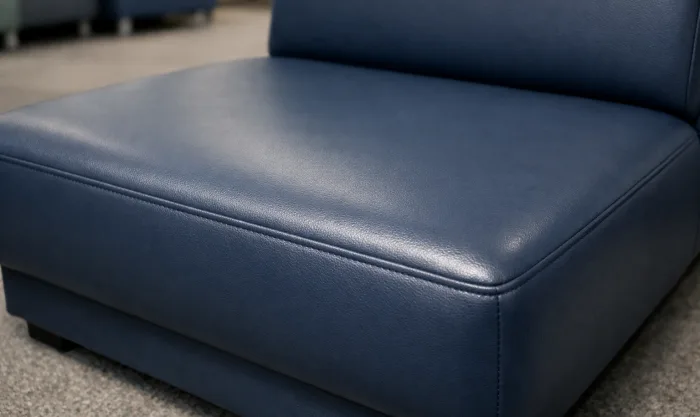
If your sofa arm is fraying at the corner or the seat-front edge has gone shiny, you are probably looking at the same thing I see every week: a leather scuff repair job that still has a good chance of turning out clean if the wear has not gone through the material. In LA homes, these marks show up fast on the spots people brush with belts, keys, bags, pet claws, and dry hands. The question is not just whether the edge looks ugly today; it is whether the damage is still shallow enough to repair before it becomes a split, a peel, or a full tear.
That is the decision I want to help you make here. If you are comparing repair versus replacement, or wondering whether to keep rubbing conditioner on it, this will give you a practical way to judge the corner, know what a technician actually does, and avoid paying for the wrong fix. If you want to see the type of result we mean, our corner and edge scuff repair service is built for exactly this kind of wear.
How do you tell if the scuff is repairable today?
Start by looking at the edge in daylight, not under warm lamp light. A repairable scuff usually still has most of its surface shape. You may see color loss, a roughened feel, shiny burnishing, or a fuzzy topcoat, but the leather is still there. If you can wipe the area and it looks lighter or duller but not open, that is often a good sign.
Now check for three things. First, is the wear only on the high point of the corner or edge? Good sign. Second, can you feel raw fibers or soft foam coming through? That is more serious. Third, does the damage spread when you pinch the edge lightly? If the finish is lifting but the hide is not split, repair may still be worth doing. If the leather has fully cracked through or the underlying structure is exposed, you may be moving into a different service like leather tear repair.
For a homeowner or driver in Los Angeles, the test is simple: if it is mostly abrasion and discoloration, not an open hole, it is usually worth getting a photo estimate before you assume replacement. The earlier you catch it, the more likely we can blend the area instead of rebuilding it from scratch.
What should a fair repair include, and what should it not promise?
A proper edge repair is not just “paint over the scuff.” The technician should clean the area thoroughly, remove waxes or oils that block adhesion, prep the worn finish, rebuild the color layer, and blend the edge into the surrounding panel so the patch does not read like a dot of fresh paint. On vinyl, that process can be very effective when the material is still intact. On leather, the grain and sheen have to be matched carefully so the fix does not look flat or plastic.
What it should not promise is a miracle if the corner is deeply shredded, splitting, or missing material. If the edge has been worn down to the point that texture is gone and the base is exposed, a repair can still improve it a lot, but it may not disappear completely under close inspection. A fair technician will tell you that up front. That honesty matters more than a cheap quote.
If you are unsure, send clear photos of the exact corner, plus one wider shot of the whole cushion or arm. That helps us decide whether it is a straightforward repair scratches and scuffs on leather furniture job, or whether the piece needs something more involved. For many sofas and chairs, a mobile repair costs far less than replacing a section just because the edges look tired.
How do you keep the same corner from wearing out again?
Once the finish is restored, the goal is not to baby the piece forever. It is to change the habits that caused the wear. In homes, the usual culprits are the same: sliding on and off the same seat, letting bag hardware rub the arm, or letting a pet use the corner as a launch point. In apartments with tight walkways, the edge of a sofa often gets hit every time someone squeezes past. In cars, the same thing happens when a belt buckle or bag edge keeps touching the bolster or door trim.
- Keep sharp hardware away from the edge. That means bags, pet tags, keys, and metal watch clasps.
- Use a throw or arm cover only where the friction happens, not over the whole piece.
- Wipe dust and grit off the corner regularly; grit acts like sandpaper on topcoat.
- If the leather is dry, use a proper leather conditioner sparingly, not every week.
- Rotate seating habits when possible so one corner is not taking all the traffic.
These fixes are simple, but they matter because edge wear is usually not random. It is a contact problem. Stop the contact, and the repair lasts longer. Let the rubbing continue, and even a good blend will age again faster than the rest of the sofa.
If your scuff is still mostly surface wear, today is the right time to act. Get a few photos, check whether the leather is open or only worn, and ask for a mobile estimate before the edge turns into a tear. That is the difference between a clean repair and a much bigger headache later.
Before & After