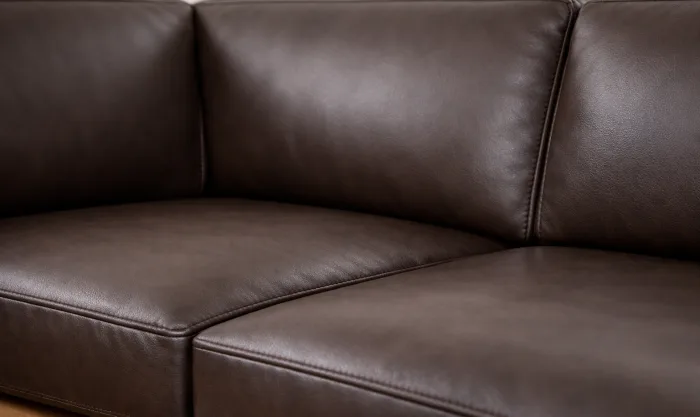
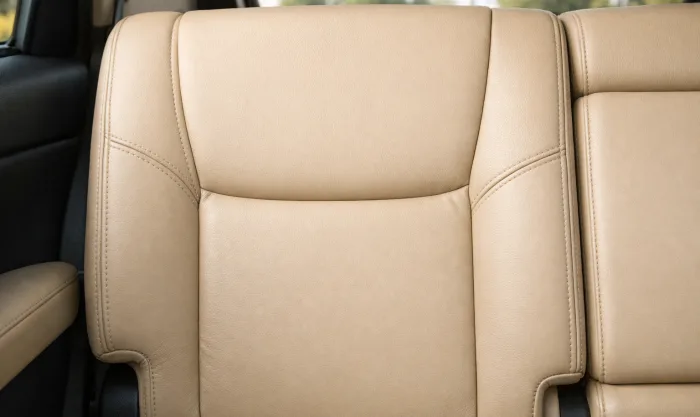
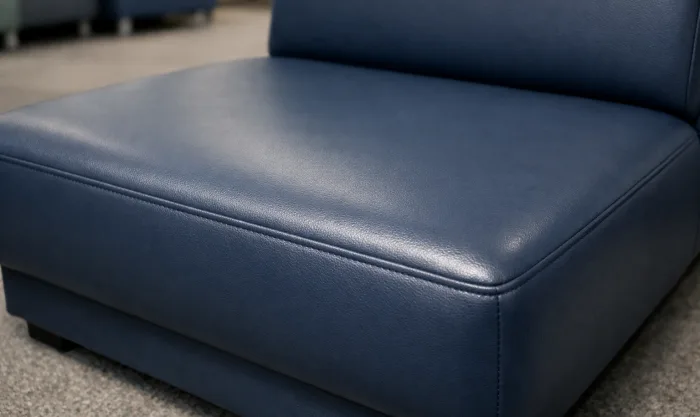
You notice a heat mark on the leather sofa after a lamp was too close, or a car seat got kissed by a hot object. The spot looks dull or discolored, and if you rub it, it feels harder than the rest of the panel. That is the moment to decide whether to keep using it, try a leather scorch spot repair, or stop and get a real estimate before the finish starts cracking wider.
How do you know it is repairable today?
The quick test is simple: if the area is discolored, stiff, and rough, but the leather has not burned through or opened into a hole, there is usually something worth saving. A heat mark often damages the top finish first, then dries the leather body underneath. In a living room, that happens from a candle, a lamp, a space heater, or a hot mug left too long. In a car, it is usually a seat warmer, a dropped tool, or something hot against the bolster.
What makes the job more workable is surface damage without missing structure. If the spot is still intact, a technician can soften the area, level the hard edge, rebuild the texture, and recolor it so the repair blends instead of shouting at you from across the room. If the damage has a hole, brittle flakes, or a full-through burn, you may be looking at a different repair path. For that reason, sending a photo first is worth it. A real technician can tell you whether the piece needs burn mark repair, a patch, or a larger restoration plan.
Here in LA, I also look at the age of the leather and where the mark sits. A sun-exposed back cushion or a driver seat edge with dry, cracked finish will be less forgiving than a shaded arm panel. If the leather is already dry from cabin heat or years of UV, a scorch can spread faster than people expect.
What does a fair repair vs replace decision look like?
Replace only makes sense when the damage is large, the leather is already failing around it, or the color match would look worse than the original problem. For one isolated heat spot, repair is usually the smarter move if the surrounding leather is still sound. You are not paying to rebuild the whole sofa or retrim the whole seat. You are paying to bring one ugly, hardened area back into the room without making the rest of the piece look tired by comparison.
A fair repair decision comes down to three things:
- Size: a small scorch spot on a seat panel is a different job than a hand-sized burned section.
- Depth: stiffened finish is more forgiving than leather that has become brittle and open.
- Location: a visible center cushion needs a cleaner blend than a low, hidden side panel.
If the piece is otherwise in good shape, repair often wins on cost and convenience. That is especially true for furniture that is hard to move, or for busy households that do not want to wait weeks for an upholstery replacement. When the issue is on a sofa you already like, partial leather repair can preserve the seat you have instead of starting over. In many cases, the better question is not “Can I replace it?” but “Will replacement actually improve the result enough to justify the spend?”
For homeowners in Los Angeles, I see this a lot on leather sectionals that were fine everywhere except one heat mark from a lamp or candle. Spending more than necessary to replace a whole section because of one isolated spot usually is not the best value.
What should you ask for when you call a technician?
Ask for a mobile evaluation and be ready to send clear photos in daylight. A good shop should want to see the close-up, the wider panel, and the full piece so they can judge color, grain, and access. The right questions are practical: Can it be softened? Will the hard edge be leveled? Can the color be blended, or will it remain a visible patch? How long should the repair last if the leather is not abused again?
On-site work matters because heat damage often looks worse in person than it does in a tiny phone photo. A technician can feel whether the surface is brittle, test how much finish is still attached, and choose between cleaning, color work, and reconstruction. If the spot is on a sofa arm or seat, mobile service saves you from moving a bulky piece across town. That is one reason people call DavaLeather burn repair instead of trying to scrub it out and making the edge rougher.
Ask whether the repair will be matched to the surrounding sheen, not just the color. A spot that is the right color but wrong shine still catches your eye. Also ask what caused it in the first place. If the source was a lamp, heater, or a hot pan, you want the placement changed before the new finish gets cooked again. If the leather is repaired correctly and the heat source is gone, the result can hold up well for years under normal use.
For prevention, keep at least a few inches of air space between leather and any heat source, and do not leave hot items on the surface even for a minute. In dry LA weather, that small habit matters more than people think because the leather is already fighting heat and low moisture.
If you are staring at a stiff, discolored spot right now, do not keep rubbing it and hoping it fades. Take a daylight photo, check whether it is still intact, and ask for a real opinion before the damage deepens. If it is repairable, the fix is usually much easier than replacing the whole piece.
Before & After