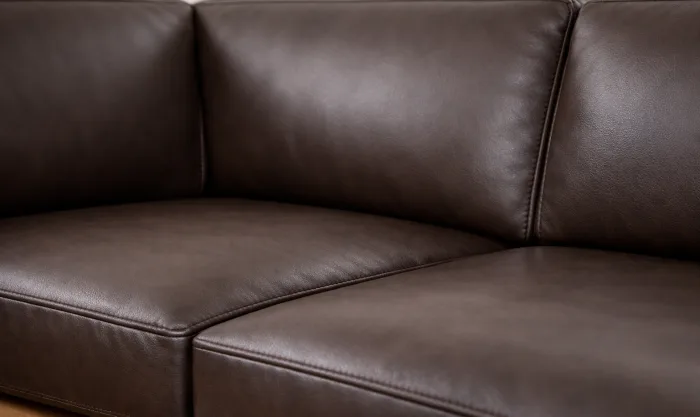
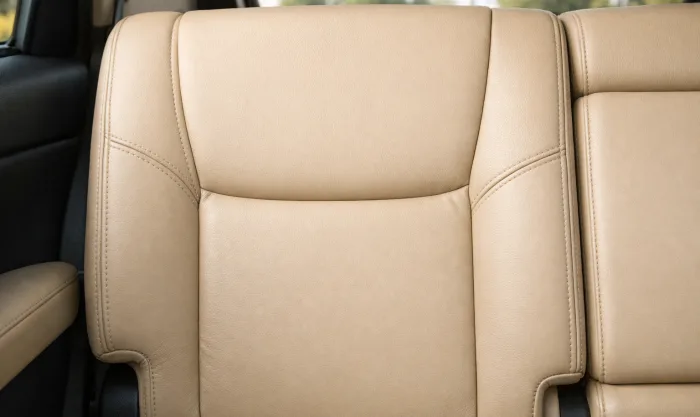
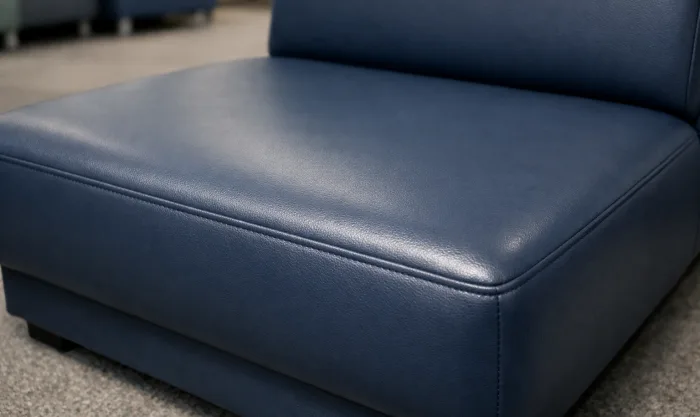
You notice it when you sit down: a sofa seam that has opened along the edge, or a car seat seam that has started to separate near the bolster. The leather still bends, the foam is not exposed much, and the piece does not feel shredded yet. That is the window where a leather seam repair can still be a clean fix instead of a bigger job later.
How do you know the seam is still worth saving?
The fastest test is simple: look at the leather right next to the opening. If it still feels flexible, lies flat when you press it, and the split is mostly along the old stitch line, there is a good chance it can be reinforced and stitched again. That is especially true on residential sofas, chairs, and ottomans that have a single weak spot from sitting, twisting, or a pet claw catching the thread.
What makes a seam not worth saving is usually not the opening itself, but the condition of the leather around it. If the edge is dried out and crumbling, if the tear has raced away from the seam into the panel, or if the material has lost so much strength that the needle has nothing solid to grab, a restitch can fail early. In LA, sun exposure through windows and dry indoor air can age one side of a sofa faster than the rest, so one seam may be repairable while the neighboring panel is already too brittle.
If you are staring at the damage today and want a quick answer, send photos before you keep using it. A good technician can usually tell from a few close-ups whether the seam needs reinforcement, whether the thread holes are still usable, or whether you should start thinking about tear repair or replacement instead.
What actually gets done during seam stitching and reinforcement?
A proper seam repair is not just pulling thread through the same holes and hoping for the best. First, the area is checked from the top and, when needed, from underneath. The goal is to stop the split from traveling. That often means reinforcing the seam area from behind so the stitch line has support again. On furniture, that backing support matters because people keep loading the same spot every day.
After reinforcement, the seam is re-stitched with matched thread and tension that fits the original construction. The technician is usually trying to preserve the original look, not make the seam obvious. If the leather around the opening still has good color and texture, the repair can stay focused to the seam only. If the surrounding surface also shows scuffing or dryness, a small scuff repair may be paired with the stitch work so the area does not look patched from three feet away.
The practical advantage here is control. You are not replacing a whole panel when only one line failed. On a sofa, that can mean keeping the original hide and factory fit. On a car interior, it can keep you from turning a small seam issue into a bigger upholstery project. For many clients, that is the real value: less downtime, less disruption, and a repair that matches the way the piece was built.
How long will it last, and what should you ask before booking?
A stitched seam can last a long time if the surrounding leather is still healthy and the cause of the failure is addressed. If the seam opened because of repeated stress, the repair should be done with reinforcement sized for the use, not just cosmetic stitching. If the material is already weak, a clean repair may still buy time, but it will not behave like brand-new leather. That is why honest evaluation matters more than promises.
When you call, ask three direct questions: Can the seam be reinforced from behind? Will you restitch using matched thread? And do you think the leather around the seam is flexible enough to hold? Those questions tell you whether the person is actually looking at the structure or just quoting a surface fix. If you need a residential visit, the best next step is usually a photo estimate followed by a targeted appointment for seam stitching and rip repair.
To keep the same problem from coming back, avoid folding stress into the seam line. On sofas, that means not always sitting on the same cushion edge and keeping pets off the top seam if they tend to knead or scratch. On car seats, it helps to repair bolster wear early before the seat flexes the seam open every time you enter the vehicle. In Los Angeles, the combination of UV and dry air makes small weak points get worse faster than people expect, so waiting usually costs more than fixing it at the first split.
If the opening is still small and the leather around it has life left, the smartest move is to stop using the area hard and get it assessed now. That is usually the point where a seam can still be saved cleanly instead of turning into a larger tear or a full panel replacement.
Before & After